News
The AI Model Frontier
Daily curated news, benchmarks and hands-on guides for Claude and every major model.
Call Qwen3.7 Plus with the OpenAI SDK via DashScope Compatible Mode
Port OpenAI SDK apps to Qwen3.7 Plus with base_url changes, thinking controls, long-context pricing, and runnable code.

GPT-5.6 Sol vs Claude Fable 5 vs Gemini 3.1 Pro on SWE-Bench Pro
A developer-focused comparison of reported SWE-Bench Pro scores for Claude Fable 5, GPT-5.6 Sol, and Gemini 3.1 Pro.
Claude Sonnet 5 Is Official: API ID, Pricing, Context Window, and What to Test First
Anthropic has officially released Claude Sonnet 5. Here is what changed for developers: claude-sonnet-5, intro pricing, 1M context, agents, coding, and migration checks.
Claude Code Loop Engineering: How to Build an Agent That Actually Finishes
A practical breakdown of Claude Code loop engineering: goals, hooks, subagents, context, verification, and the limits of autonomous coding agents.
Use Groq GPT-OSS 120B with the OpenAI SDK: Base URL, Pricing, and Caching
Swap one OpenAI SDK base URL to run GPT-OSS 120B on Groq, estimate cached token costs, and avoid tool billing surprises.
GPT-5 vs Gemini 2.5 Pro vs Claude Opus 4 on Aider Polyglot Coding
A data-first comparison of GPT-5, Gemini 2.5 Pro, and Claude Opus 4 on Aider Polyglot coding.
Gemini 3.1 Pro vs GPT-5.2 vs Claude Opus 4.6 on Terminal-Bench 2.0
Gemini 3.1 Pro leads the shared Terminal-Bench 2.0 harness, but harness choice changes the CLI coding story.
Using Grok Build in Warp with a SuperGrok or X Premium Subscription
xAI now lets Warp users connect Grok or X Premium and run grok-build-0.1 inside terminal agent workflows.
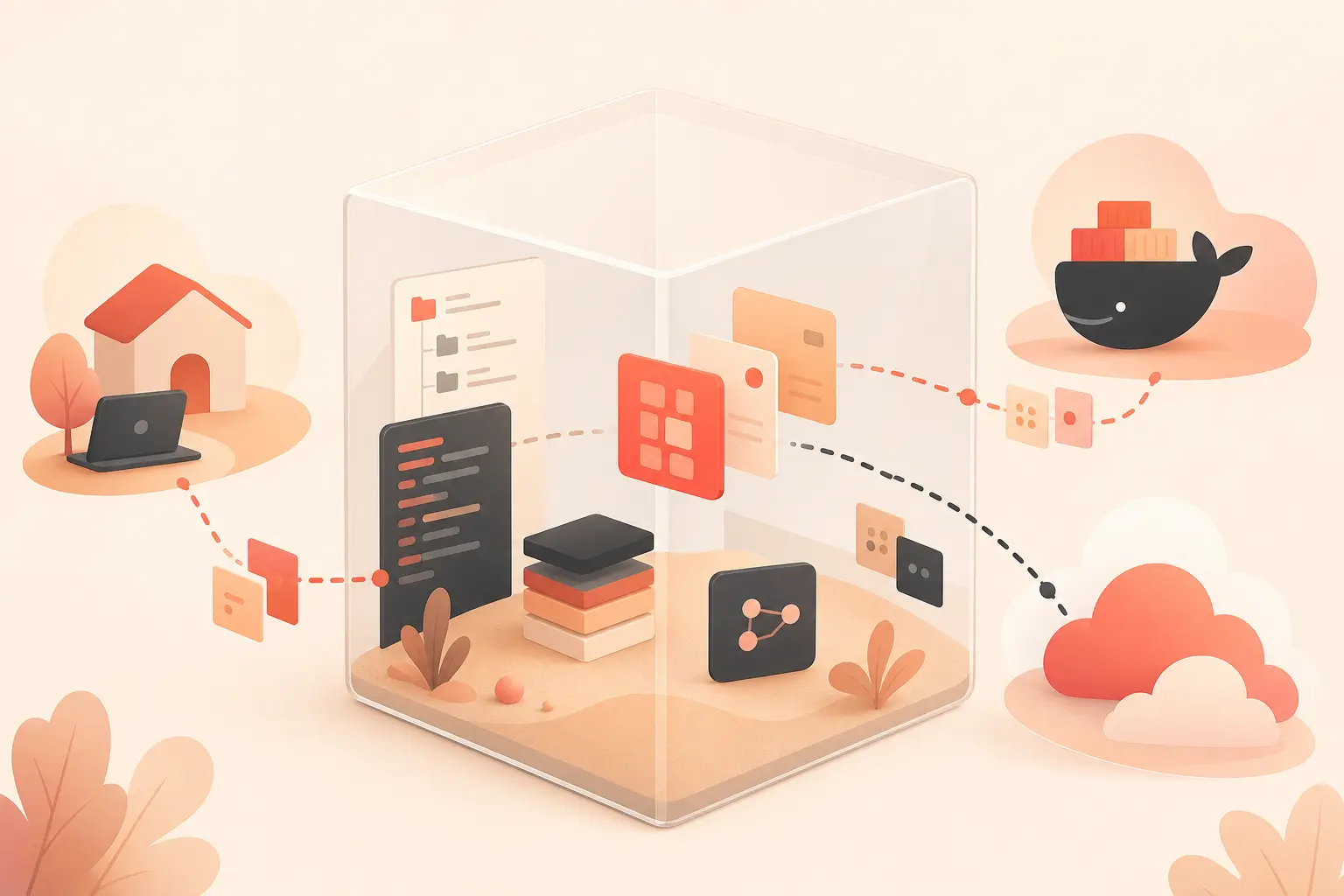
OpenAI Agents SDK Native Sandbox and Manifest Guide
How OpenAI’s Agents SDK sandbox and Manifest let developers build safer file-working agents without custom orchestration.
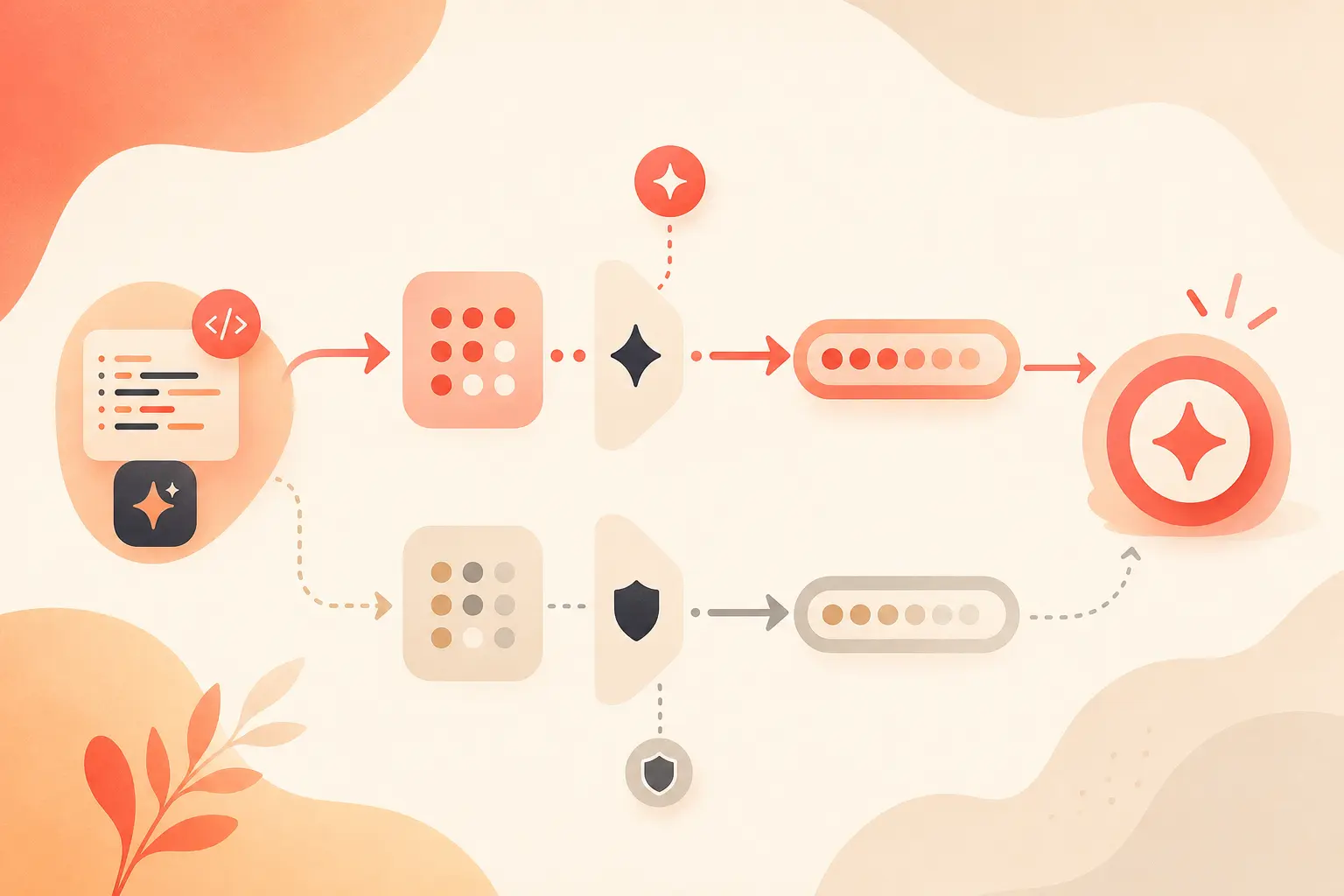
Claude Fable 5 API Safeguards: How Opus 4.8 Fallback Changes Developer Workflows
Fable 5’s Opus 4.8 fallback changes API testing, billing, caching, and reliability assumptions for developer teams.
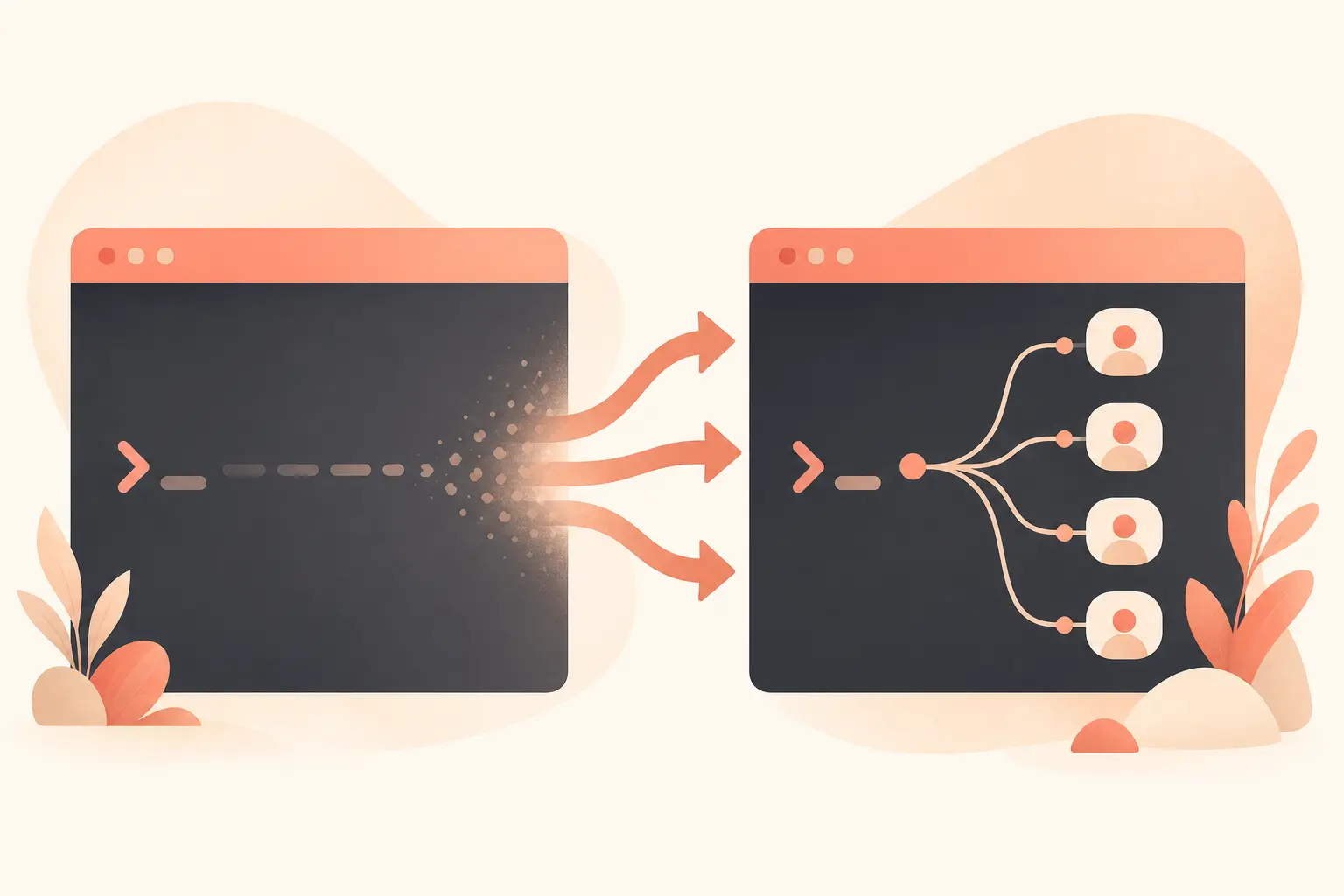
Google Antigravity CLI vs Gemini CLI: What Developers Need to Migrate Before June 18, 2026
Gemini CLI consumer access ends June 18, 2026. Here’s what changes, who is affected, and how to migrate terminal workflows.
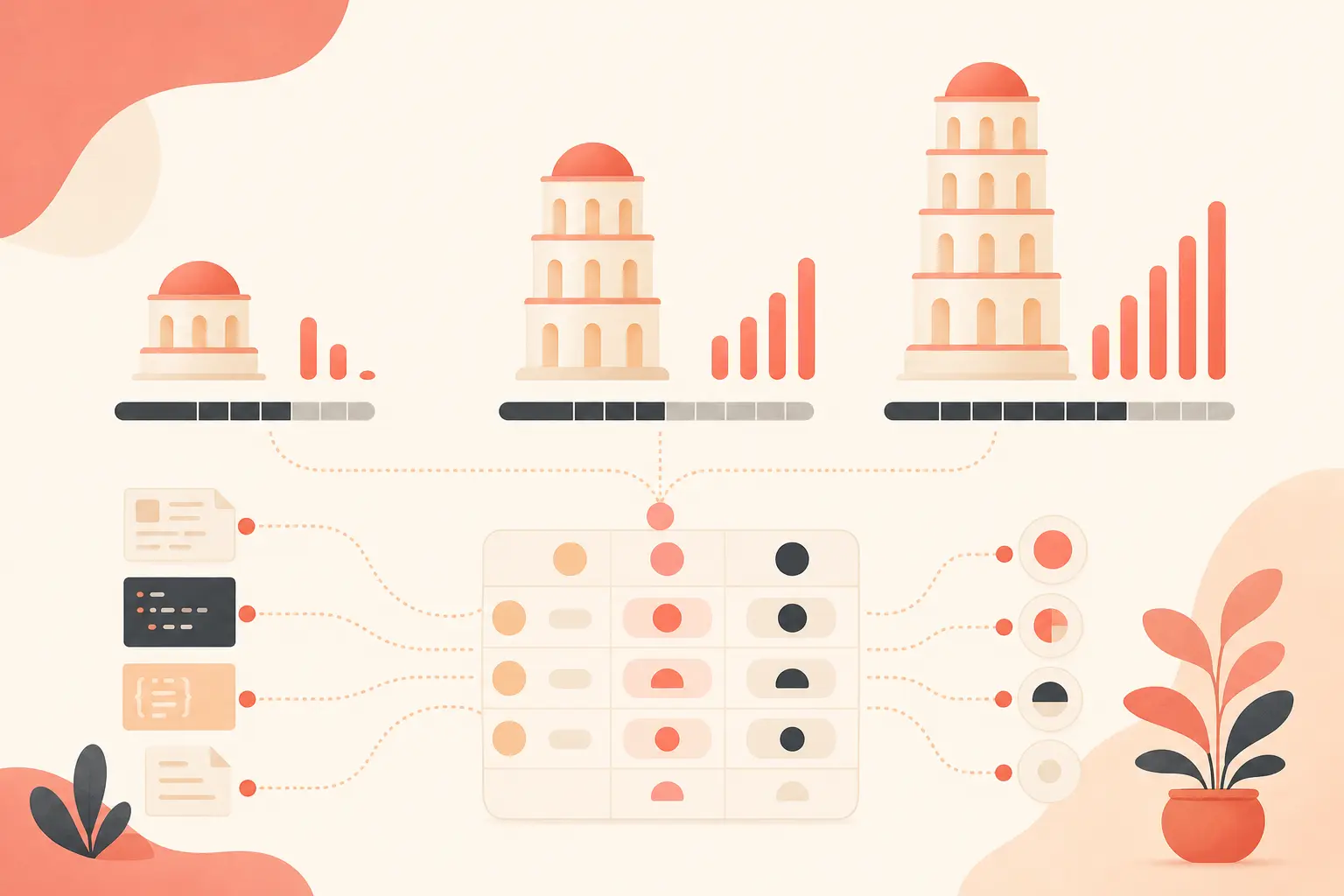
Claude Opus 4.8 vs GPT-5.5 vs Gemini 3.1 Pro: Long-Context API Pricing Compared
Compare Claude Opus 4.8, GPT-5.5, and Gemini 3.1 Pro pricing, context limits, and developer fit for long-context agents.
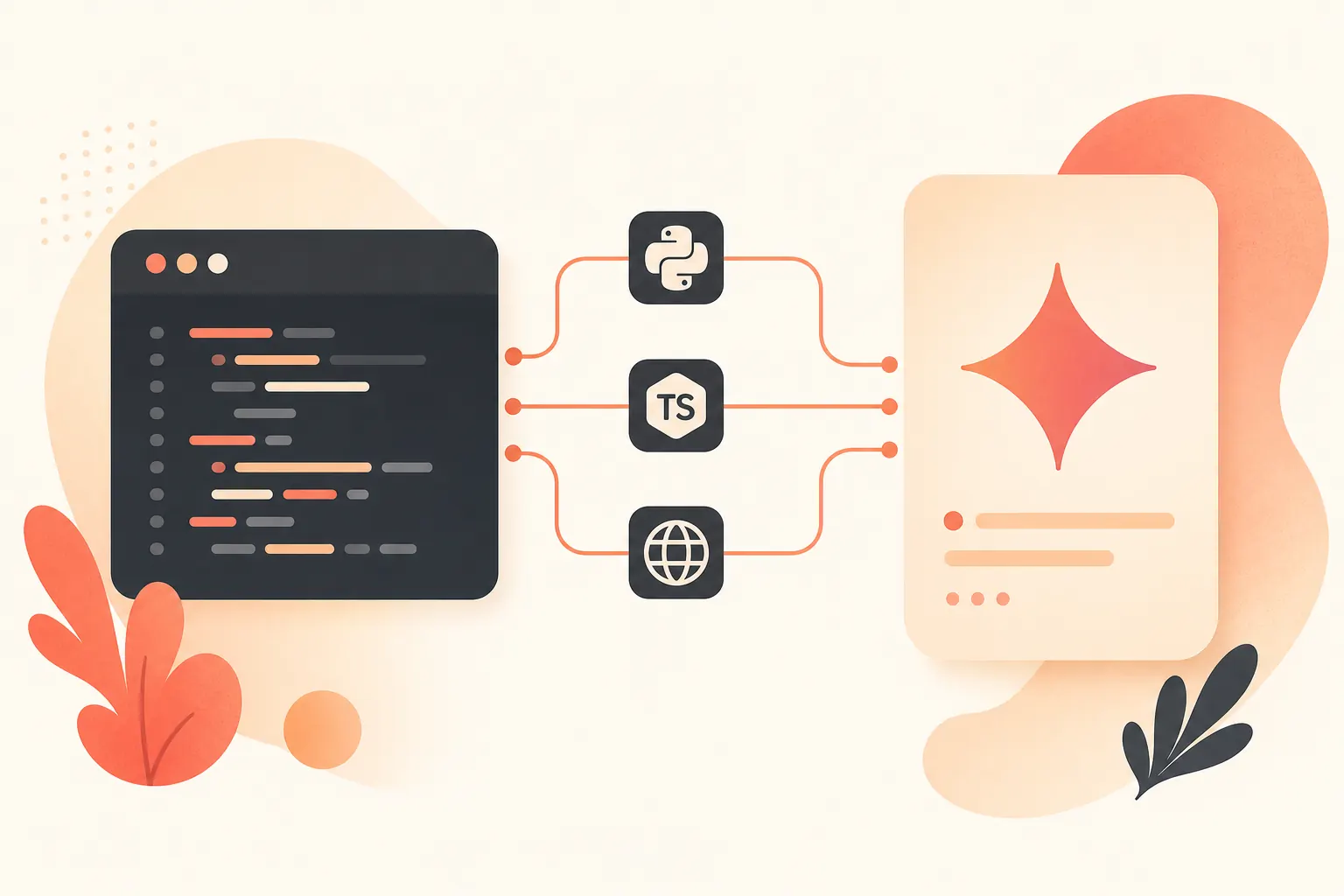
Calling the Gemini API with the OpenAI SDK: A Migration Guide Changing Only base_url, API Key, and Model Name
A Gemini-compatible API migration checklist for existing OpenAI SDK projects, with code, parameter mapping, and pricing.
Calling the Gemini API with the OpenAI SDK: An Integration Guide Requiring Only base_url, Key, and Model Name Changes
Connect existing OpenAI SDK code to Gemini with minimal changes to just three configuration fields.
Calling Gemini with the OpenAI SDK: Integration Guide by Changing Only base_url, API Key, and Model Name
Google now supports an OpenAI-compatible API, letting you connect to Gemini by changing base_url, the API key, and the model name.
Calling the Gemini API with the OpenAI SDK: How to Configure base_url, Model Names, and Gemini 3.5 Flash Pricing
Migrate an existing OpenAI SDK project to Gemini with minimal changes while avoiding pitfalls in reasoning, streaming, and tool calls.
Migrating the DeepSeek API to deepseek-v4-flash / deepseek-v4-pro: Choosing Between OpenAI- and Anthropic-Compatible Formats
Migrate to DeepSeek V4 API in one pass, from legacy model names and Base URLs to reasoning mode and cost estimates.